Creating Beautiful Retaining Walls
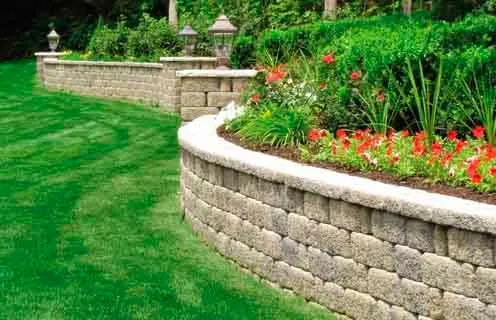
Retaining walls are not just functional structures; they can also enhance the beauty of your garden and outdoor spaces. In this blog post, we will explore the various aspects of designing and building retaining walls, their benefits, and how they can elevate your garden's aesthetic appeal.
What Are Retaining Walls?
Retaining walls are structural walls designed to hold back soil and prevent erosion. They are commonly used in landscaping to create level areas in sloped gardens and enhance outdoor aesthetics. Retaining walls can be constructed from various materials, including concrete, stone, and timber.
Benefits of Retaining Walls
- Prevent soil erosion
- Create usable flat spaces in sloped areas
- Improve drainage and reduce flooding
- Enhance landscaping and design aesthetics
- Increase property value
Preventing Soil Erosion
One of the primary functions of retaining walls is to prevent soil erosion. By stabilizing the soil, these walls help maintain the integrity of your landscape, protecting your garden from landslides and washouts.
Creating Usable Flat Spaces
Retaining walls can transform sloped areas into flat, usable spaces. This allows for more versatile garden designs, creating areas for planting, patios, or outdoor furniture.
Types of Retaining Walls
- Gravity Walls
- Cantilever Walls
- Anchored Walls
- Sheet Piling Walls
- Segmental Retaining Walls
Gravity Walls
Gravity walls rely on their weight to hold back soil. They are typically made from heavy materials such as concrete or stone, making them effective for smaller walls.
Cantilever Walls
Cantilever walls utilize a lever arm to resist the pressure of the soil behind them. They are often constructed from reinforced concrete and are suitable for taller walls.
Anchored Walls
Anchored walls are secured with cables or rods that are anchored into the soil behind the wall. This method is ideal for very tall walls or unstable soil conditions.
Aesthetic Design Considerations
When designing a retaining wall, aesthetics play a crucial role in ensuring it complements your garden. Here are some factors to consider:
- Material selection: Choose materials that match your home and landscape.
- Color schemes: Harmonize wall colors with existing plants and structures.
- Texture: Incorporate different textures for visual interest.
- Lighting: Use landscape lighting to highlight the wall at night.
Material Selection
Selecting the right materials is crucial for both functionality and aesthetics. Options include natural stone for a rustic look or concrete blocks for a modern feel.
Incorporating Plants
Adding plants or creeping vines can soften the look of your retaining wall and integrate it into the landscape. Choose plants that thrive in your local climate.
Maintenance Tips for Retaining Walls
- Regularly check for cracks or signs of erosion.
- Clear debris and dirt buildup from the top.
- Inspect drainage systems to ensure proper water flow.
- Reinforce plants to prevent soil from spilling over.
Regular Inspections
Conduct regular inspections to catch any potential issues early. Look for cracks, bulging, or signs of erosion that could compromise the wall's integrity.
Conclusion
Creating beautiful retaining walls can significantly enhance your garden design and outdoor aesthetics. By understanding the types, benefits, and maintenance of retaining walls, you can make informed decisions for your landscaping project. Whether you're looking to prevent soil erosion, create level spaces, or add visual appeal, retaining walls are a versatile solution to elevate your outdoor environment.